June 30, 2008

Great Ideas on Growing Summer Flowers

Filed under: Flowers, Gardening, Plants — admin @ 17:19

For the most straight forward way to grow summer flowers is as follows: the right time to plant the seeds is during late spring. While germination is a possibility due to the warmth of the soil, the spring rains helps successive growth. Zinnias, sunflowers, cosmos, petunias, bachelor buttons, balsam, alyssum, marigolds, vinca, poertuluca, lobelia are some of the annual flowers which bloom in summer.  

Sunlight for at least six hours each day is needed for the summer flowers to grow abundantly. Southwest and desert climate zones are hot areas. So the afternoon shade would be right. After you have dug the soil about six inches deep, turn it over with a shovel.

This is when you are preparing the soil. Mix compost, some rotten manure and fertilizer according to instructions in the package and then turn over the soil with the mixture. In case the flower bed is against a wall or fence, then follow a pattern of planning with tallest plants at the back and shortest and spreading flowers in front.

The small plants would never get shaded by the taller plants which would then lean against the wall.

When the flower bed is positioned at the center of the yard, follow this pattern of planting: tallest plants in the center and smallest plants in the outermost ring. In the middle plant the mid level plants. Put on your creative cap as you plant the flowers with a wild mixture of colors, much like what you see in meadows.

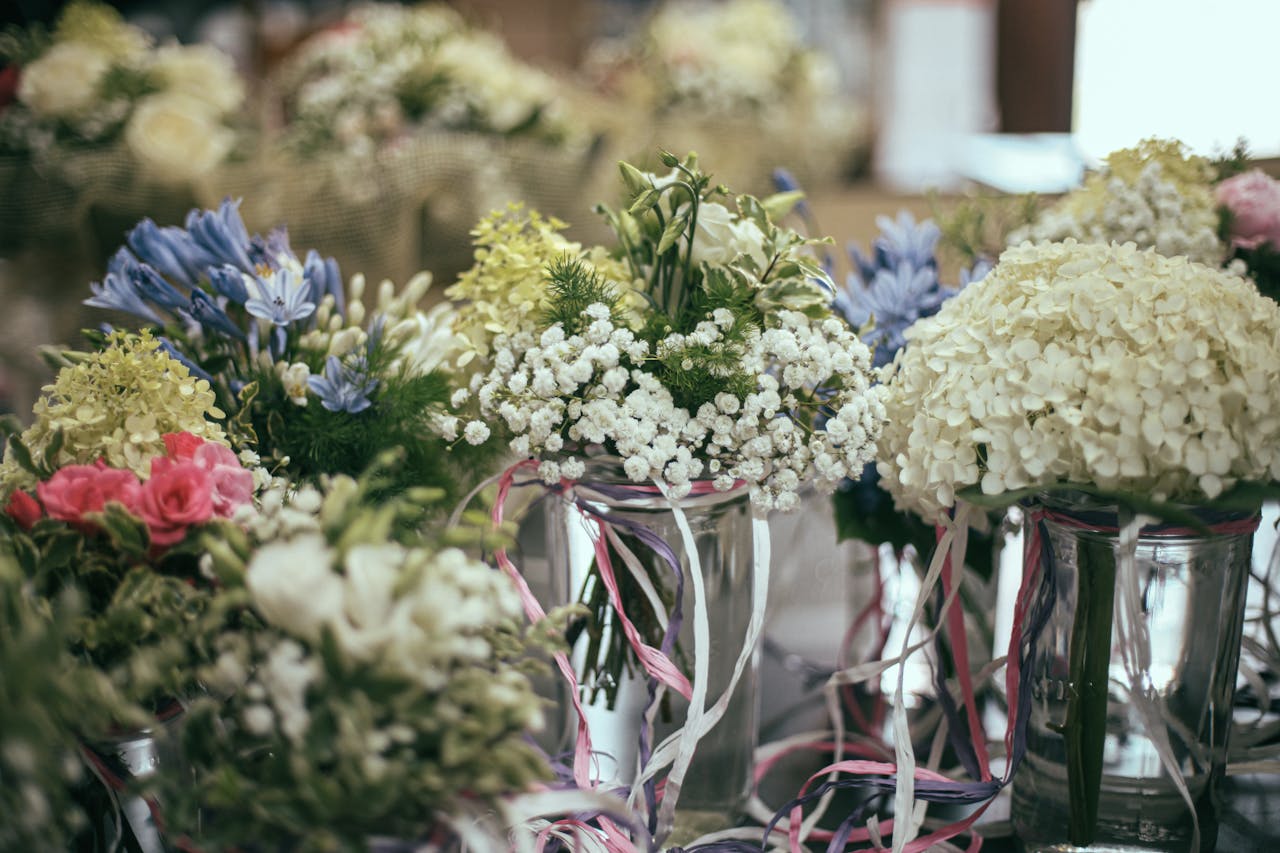
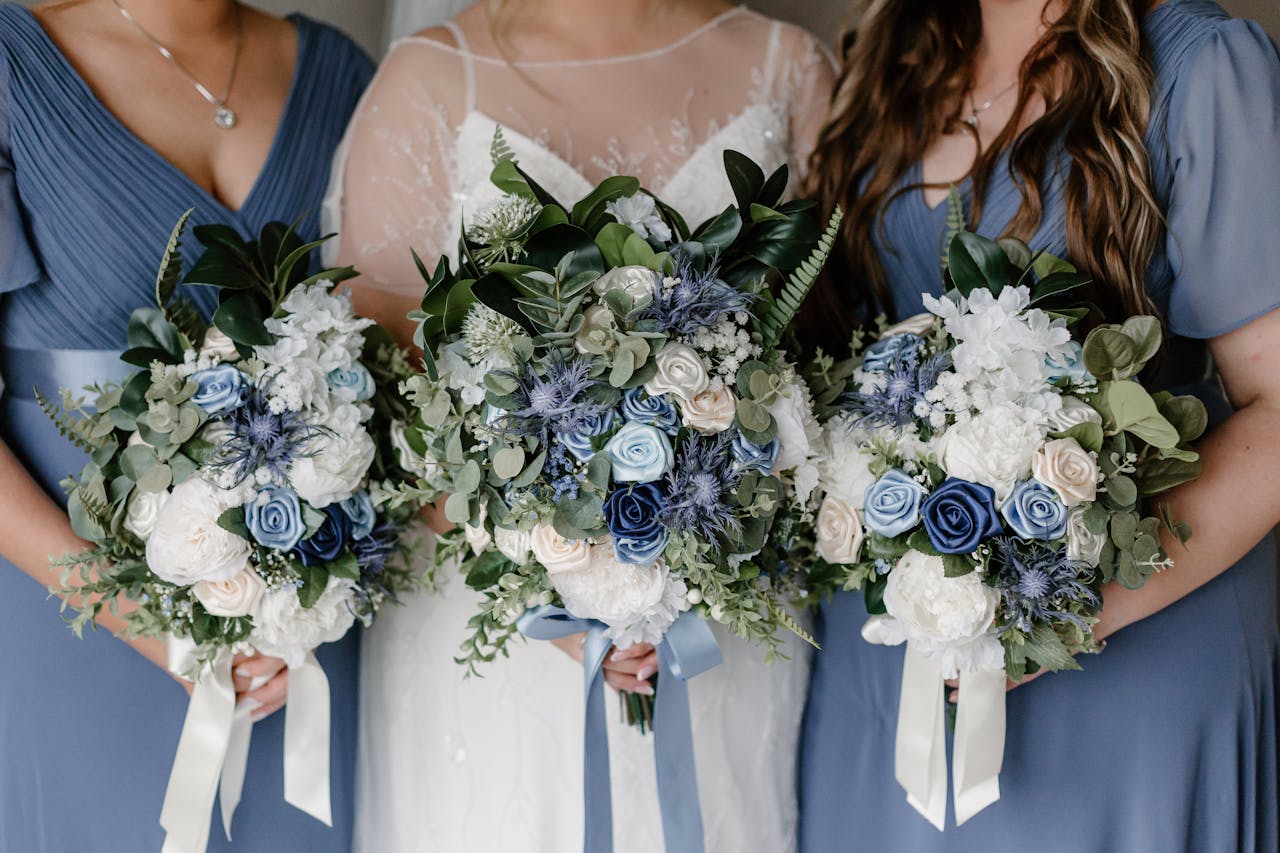
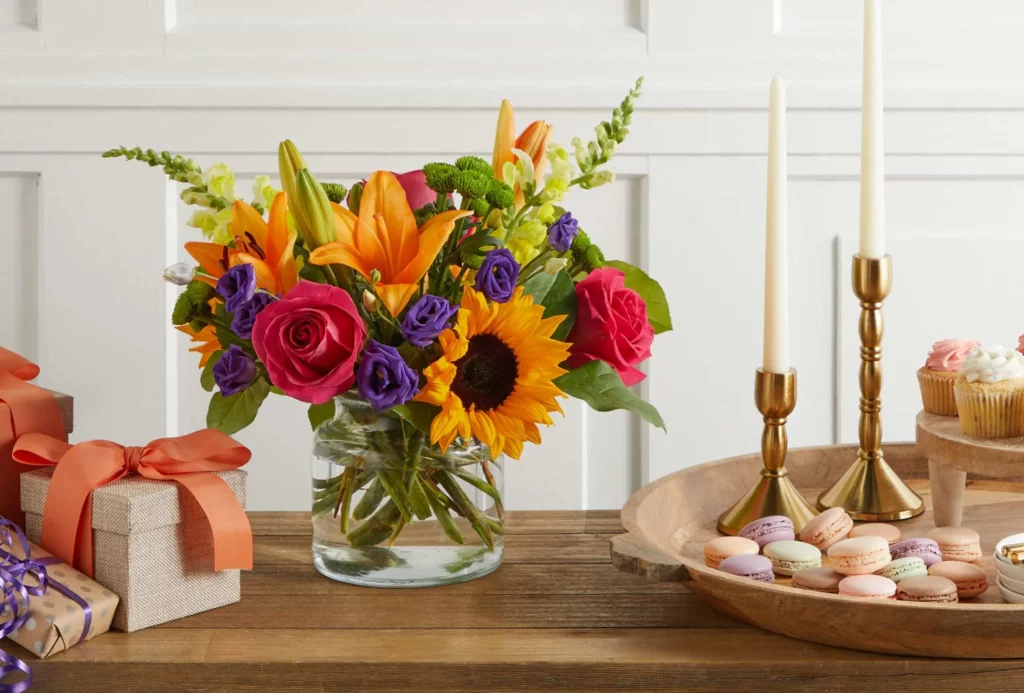
You could also use some coordinated colors. Remember pastel shades look wonderful. Two bright colors like red and blue with some white in between or orange and purple with lots of cream and white. These color combinations can give an outstanding look. Use various shades of blue and sprinkle a bit of bright yellow here and there.

Birds and bugs take away a lot of your seeds. So planting has to be done much closer (3 times in fact) to each other as the instruction booklet says. After covering the seeds as per instructions, add a layer of mulch and then water thoroughly. Water your plants only when it is dry and not because it is a matter of routine.

Your baby plants might die if there is excess water or even when there is too little water. Once the seeds have sprouted, do not start your thinning for spacing right away. Wait till at least 4 leaves have sprouted. The distance between two flowering plants is as follows: shorter flowers 6 inches apart then medium around 12 inches with taller ones about 18 inches.

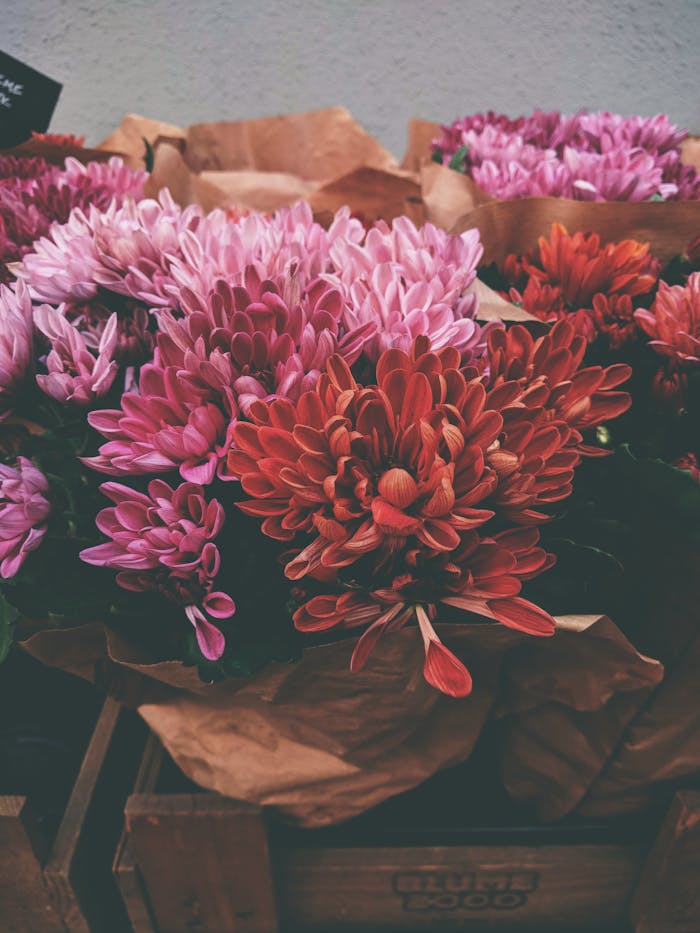
The more you pick them for bouquets, the more they flower and this is the most amazing part of summer flowers. If you look at it from the view point of the plant, the sole purpose of the flower is to set seeds. Soon upon completing this job, the plant would cease to bloom. When you pluck the flowers, the plant continues to bloom. You could easily make the plant bloom the second time when you cut down the flowers by half. Though the second bloom may not be as attractive as the first time, but the flowers are gorgeous still.

Expect an incredible display all summer if you plant the seeds of the summer flowers late spring.

You can find many more Garden Design related articles at Flower Garden Design 

For all your Garden Design needs, please visit http://www.garden-design-news.info

June 12, 2008

Five Secrets to Success For Growing Giant Vegetables

Filed under: Gardening, Plants — admin @ 16:33

Keene Valley, New York has a Giant Tomato Growing Contest each year. The name of the winner of this prestigious (in town-pop ~600) prize is displayed on a plaque in the Noon Mark Diner at the center of town. The key to the contest is that the tomato must be grown completely outside without cover from the sometimes extremely chilly Adirondack Mountain nights.(Think low 40s in July!) Keene Valley is in the shadow of the highest peak in the Adirondacks, Mt.Marcy, so the valley also has narrow windows of sunlight. How do the winning tomato growers do it? Below, the secrets to their success  

Giant Vegetable Growing Secrets for Success

1) Start with open-pollinated seeds from giant vegetables.
Open-pollinated vegetable varieties are varieties that produce the same variety of plant, generation after generation, from seed. When growing giant vegetables, an important part of the process is building on success from previous years. When you grow open-pollinated varieties, you have the chance to save seeds from your largest plants and plant them the next year.

If you are just starting, purchase giant vegetable seeds, but be certain that they are “open pollinated” and not hybrids so that you can harvest your own seeds for the following season.

2) Prune plants to reduce number of fruit on each plant
plants distribute energy equally among the entire plant, and that includes fruits. (Tomatoes are the fruit of the plant. So are zucchini, pumpkins, eggplants, etc.) To grow larger fruits, you need fewer fruits on the plant. Visually divide your plant into thirds. To start, keep one fruit on each third of the plant.

Pinch or clip off other fruits, but leave as many leaves as possible so that the plant can make lots of food for the fruits. plants will use the natural fertilizer applied to the ground around them, along with sunlight, water and carbon dioxide to make food, which is stored in the fruit.

3) Use drip irrigation
Drip irrigation provides a steady source of water for the plant. It will ensure that the plant has water when it needs it, and is not flooded, causing problems with rot.

4) Eliminate Plant Problems
Keep an eye on pest and disease problems and eliminate them as quickly as possible. For natural gardeners, you want to eliminate the problem first without pesticides if possible. Clip off the diseased part, or, if the entire plant is infected, dig up the plant, and pick up any debris around the plant. The reason you started with three fruits per plant is that if one becomes diseased, you can remove it.

5) Use Natural Fertilizer
Growing giant vegetables requires steady application of nutrients. If the vegetable variety is naturally inclined to grow to a large size, that is the first step, but to grow GIANT vegetables, you need to deliver a steady stream of nutrients. Natural fertilizers and Seaweed fertilizers are great choices for growing large vegetables. They deliver all of the major nutrients as well as micronutrients and trace minerals needed for plants to grow well.

Growing giant vegetables is easy if you follow the above tips. Or, easier. As with everything, the longer you grow giant vegetables, the better you get!

Christopher A. Williams (aka Natural Fertilizer Guy) edits the website:
http://www.safe-fertilizer-reviews.com  

The website contains articles about natural fertilizers and seaweed based fertilizers, as well as general natural gardening tips.

June 10, 2008

The Role of Flowers in Our Life

Filed under: Flowers, Gardening — admin @ 10:26

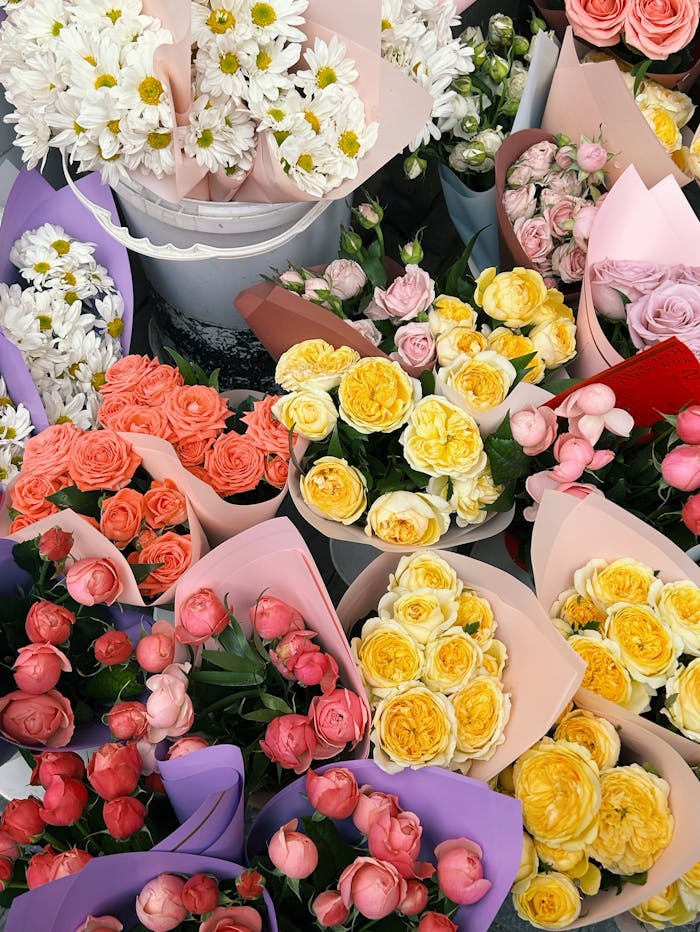
flowers have played a key role all throughout human history. Traces of their usefulness can be found in various religious texts, folk tales, and myths. Some types of flowers were used as food and continue to be used as food until the present day; others have healing properties and are used as medicine. Early man also recognized the aesthetic function of flowers; in fact, some ancient cultures believed that they could appease the spirits of their ancestors by decorating their tombs with a particular type of flower.  The most important function that flowers have, however, is their power to convey profound human emotions and thoughts the way no other object can. Whenever your feelings are too intense for words – be it love, grief, happiness, or gratitude - try expressing them through the gift of flowers. You will find that, it will express your feelings perfectly.

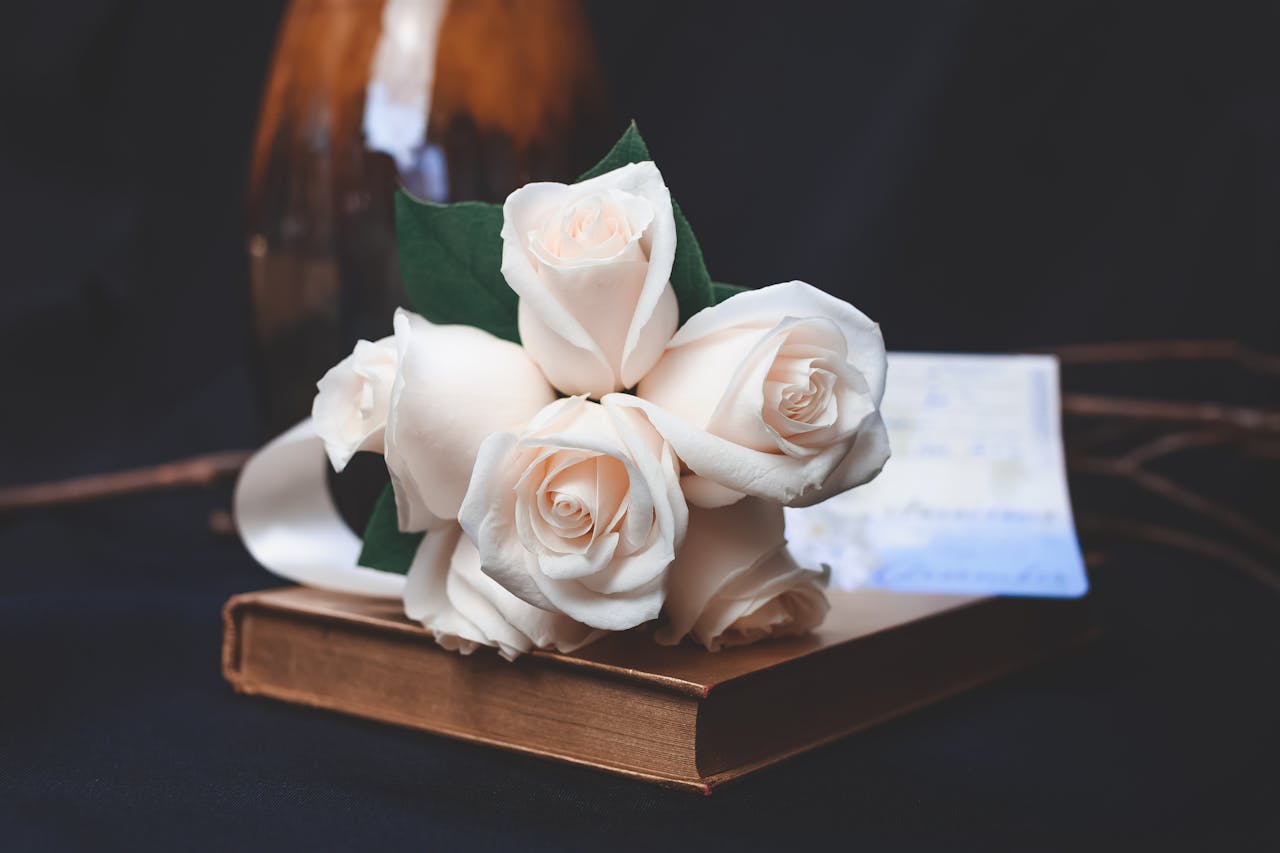
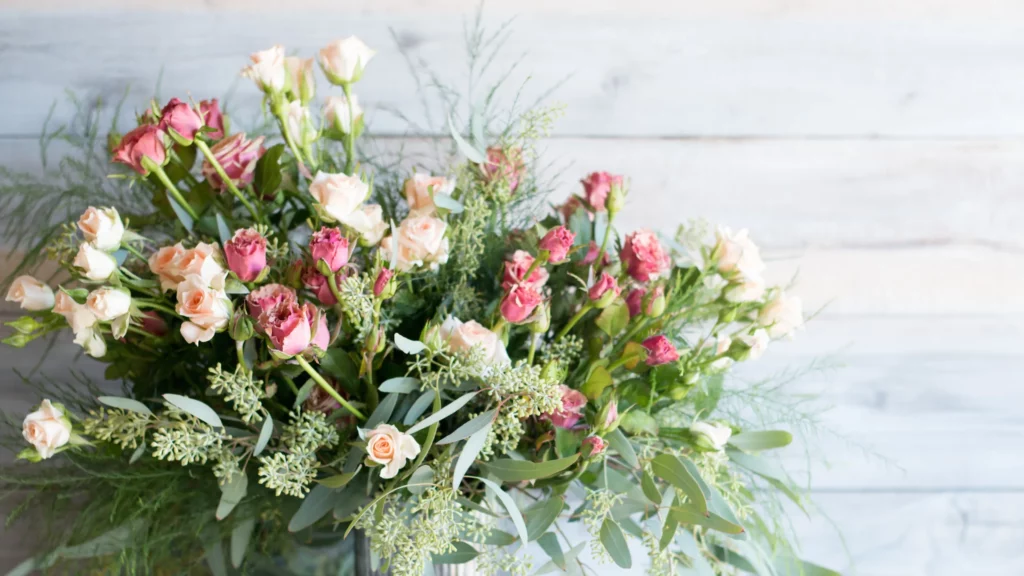
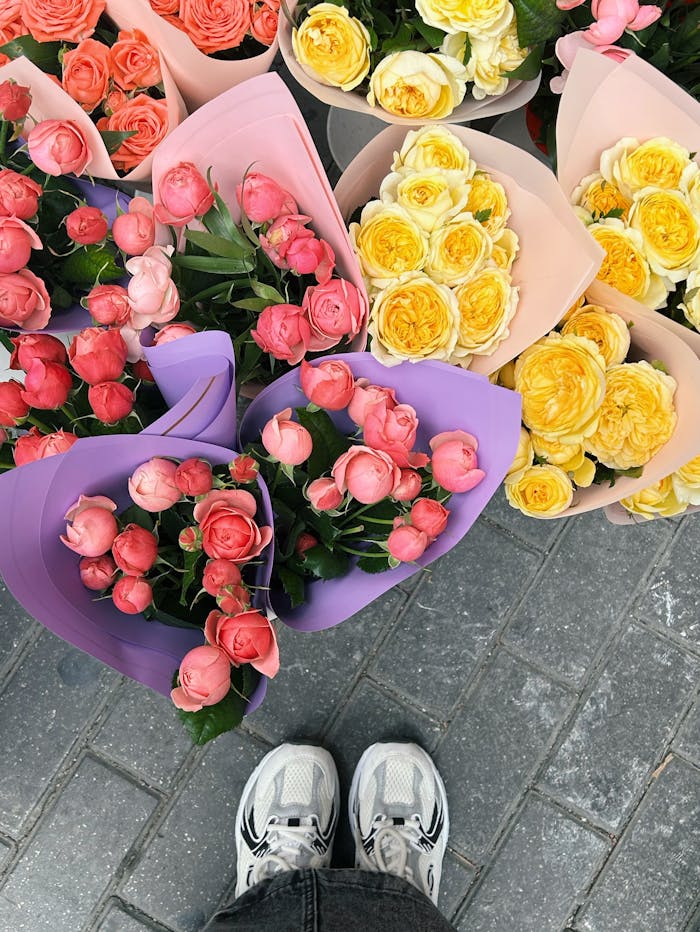
The flower that holds the most obvious meaning is the rose, the eternal symbol of romantic love and desire. During the Renaissance era, roses were associated with Venus’s immortal beauty, whereas scratches made by the rose’s thorny stem symbolized the wounds of love. Christian symbolism also uses the red rose to stand for love and the blood of a martyr. White roses signify purity, innocence, and charm, while pink roses symbolize happiness.

Besides conveying messages, flowers can also affect our moods and influence our emotions. According to a recent behavioral study made in the State University of New Jersey, the presence of colorful flowers heightens feelings of life satisfaction, triggers happy emotions and memories, and influences social behavior in a positive manner. The healing properties of flowers have also been proven by scientific research. 

Environmental psychologist Dr.Roger Ulrich discovered that when flowers were visible to hospital patients, their need for pain medication decreased, their stress levels dropped, and their stay in the hospital were marked with an increased optimism. Perhaps the positive effect flowers have on hospital patients also have something to do with the meaning they carry - they are tangible proof that someone cares about them and wishes them well. flowers, therefore, have an immediate impact on our emotions and a long-term positive effect on our mood. 

flowers have been used for many purposes since the dawn of civilization and are the carrier of significant meanings to other people. From birthdays to funerals, flowers will always occupy a special place in human celebrations and rituals. The next time you send flowers to someone, place as much thought and meaning to your gifts as you would place money into a beautiful, well-constructed bouquet.

This article is authored by Timothy Spencer for Island Rose - http://www.islandrose.net”>gifts Philippines. We hope you enjoyed this article and encourage you to visit our website. For more informative articles like this, visit the http://www.islandrose.net/philippine-flowers/bouquet3.htm”>Philippines Flower blog pages.
Article Source: http://www.articlerich.com”>ArticleRich.com>

June 4, 2008

Building Sheds Could Be Easy – Especially With This Before Build Tutorial

Filed under: Gardening — admin @ 15:55

Building Sheds Could Be Easy – Especially With This Before Build Tutorial

Building sheds could be a daunting task, and one which you might like to pass on to a professional. However, this is also a task, which if you could successfully accomplish, is certain to present a lasting impression for all. Therefore, before you buy your shed and shed building materials, devote some time to this guide and be equipped with pertinent information needed before you start on the construction of your shed.

Chart out your requirements

If building a shed is one of the jobs on your to do list, chances are that like other tasks, there is a specific requirement for accomplishing it. So before you start, precisely define the need. It could be for, say, storing agricultural yield, or maybe for simple household storage. Whatever your shed will be used for, the purpose definition would logically help work out the desired size of the shed. The second required component at this stage would be the available space. So with these two sides of the equation available, it should be possible to zero down on the practically possible shed size. However, before moving forward, do check the construction limits. Also while finalising on this aspect, visualise the constructed shed (of the worked out size) in proportion with the backyard and ask yourself some fundamental questions, such as: will the shed look right in the garden; is the door opening wide enough, in the correct place; how many windows, if any, do you need?

The look and appeal

If sheds are more than a junk repository for you, this aspect is definitely serious. There are a number of options in the sheds types and you have the authority to select, so why settle with the basic. For instance, the choice could be a beautiful wooden shed. Though in the long run it would require protection and maintenance, wooden sheds look natural and they tend to blend in with the rest of the garden. However if maintenance seems too bothering a clause, try the metal sheds. They are solid and resistant provided they are made from galvanized steel. Other options in this category include plastic sheds and vinyl sided sheds.

For the base of the shed, paving slabs could suffice or maybe you could fix in a concrete floor. Treated timber bearers are also an option in this category. Concrete blocks are the most economical and easiest to build. Moreover, the construction would be stable.

Other aspects that deserve attention include accessibility, shed placement, natural light availability, power, water and other basic requirements should be considered for your shed. Placement should be such that the shed does not render an awkward look to the adjoining house or construction, and careful space utilisation is pertinent as well.

Let’s plan

With the two basic aspects worked out, planning assumes priority. A shed plan can be purchased, referred to from books, or could be self designed. The last option could be difficult, especially if you are an amateur in this field. A suggestion therefore is to move with a readymade plan, already tested and tried.

Check the codes

Local building codes and ordinances must be closely checked before starting on the construction of your shed.   Some sheds, like other structures, require the requisite permits, in absence of which they could be considered illegal. The ordinances could include: clauses relevant to the total space that can be occupied; construction time restrictions, etc. Approval might take weeks, and with some Housing Associations there are various rules and regulations that need to be addressed before a shed can be erected. There is more to building sheds then meets the eye, but now that you have been forewarned, you are now forearmed.

Sasha Hewitt wrote the Article ‘Building Sheds Could Be Easy - Especially With This Before Build Tutorial’ and recommends you visit http://www.gardeningthoughts.co.uk for more information on sheds.

Article Source: http://www.articlerich.com/ArticleRich.com